Multi-currency
Trade in any currency, revalue at month-end, report in your base.
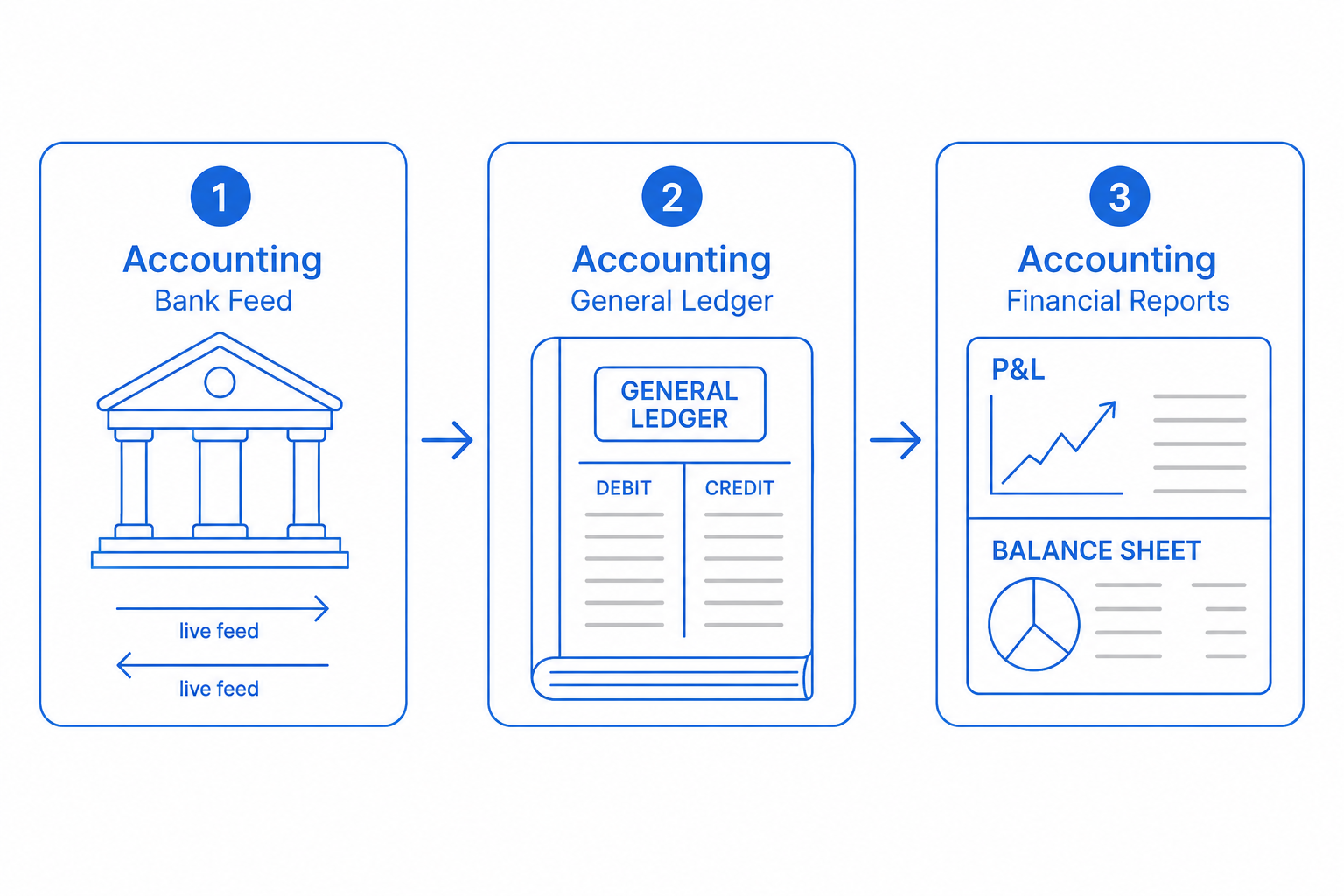
A spreadsheet of FX adjustments at month-end is a sign that the accounting tool is not really multi-currency. CloudIP holds currency on every customer, vendor, account, and line — with daily rates auto-refreshing from your configured provider.
Trade in any currency. Pay in any currency. Get reports in your base currency without month-end gymnastics.
Inside Multi-currency
Specifics that distinguish CloudIP Multi-currency from the alternative.
Per-line currency and rate
Each invoice and bill line carries its currency and the rate used at that moment.
Daily rate refresh
Rates pulled daily from Open Exchange Rates or equivalent provider.
Currency revaluation
Run revaluation at period end to recognize unrealized gains and losses.
Base-currency reports
Reports consolidate to your base currency with the correct rate per line.
Multi-currency on the CloudIP platform
Where this capability lives, who runs it, and what it shares with the rest of the system.
Multi-currency runs as part of the CloudIP Accounting module on the same multi-tenant infrastructure as every other capability you use. There is no separate console to log into and no separate billing line: multi-currency accounting software is provisioned the moment your tenant is created and stays in lockstep with the rest of the platform as it grows.
Operators interact with multi-currency accounting software through the Accounting interface they already know — the same record screens, the same audit trail, the same role and permission model. Behind the scenes, per-line currency and rate handles the heavy lifting, while base-currency reports keep the experience consistent across teams. Configuration changes are versioned, exportable, and reviewable, so the way you run multi-currency accounting software today is reproducible tomorrow.
Because Multi-currency reuses the platform's user database, every action is attributable, every record has a stable ID, and every export honours the tenant's data residency choice. That means multi-currency accounting software reports tie out to the rest of the books, audit logs, and operational dashboards without an integration step in between.
Multi-currency fits inside CloudIP Accounting alongside the other accounting capabilities — they share the same data model, so improvements in one tend to compound across the others. If you are evaluating CloudIP specifically for multi-currency accounting software, the rest of Accounting comes along at no extra cost.
Common questions about Multi-currency
Rates pull from a daily reference feed and are stamped on each transaction at the time of entry. You can override the rate manually for a specific document, which is sometimes required for hedged contracts.
More from Accounting
Branded invoices with online payment, dunning, and partial payments.
Bill entry, approvals, expense receipts, and vendor credits.
Live bank and card feeds with auto-categorization rules.
Match transactions, statements, and books in one view.
GAAP-ready chart with classes, locations, and sub-accounts.
Manual entries, recurring journals, and audit trail.
Try Accounting free for 14 days
See Multi-currency alongside the rest of the platform on real data.