Multi-language & Domains
Multiple domains, languages, and sub-paths from one project.
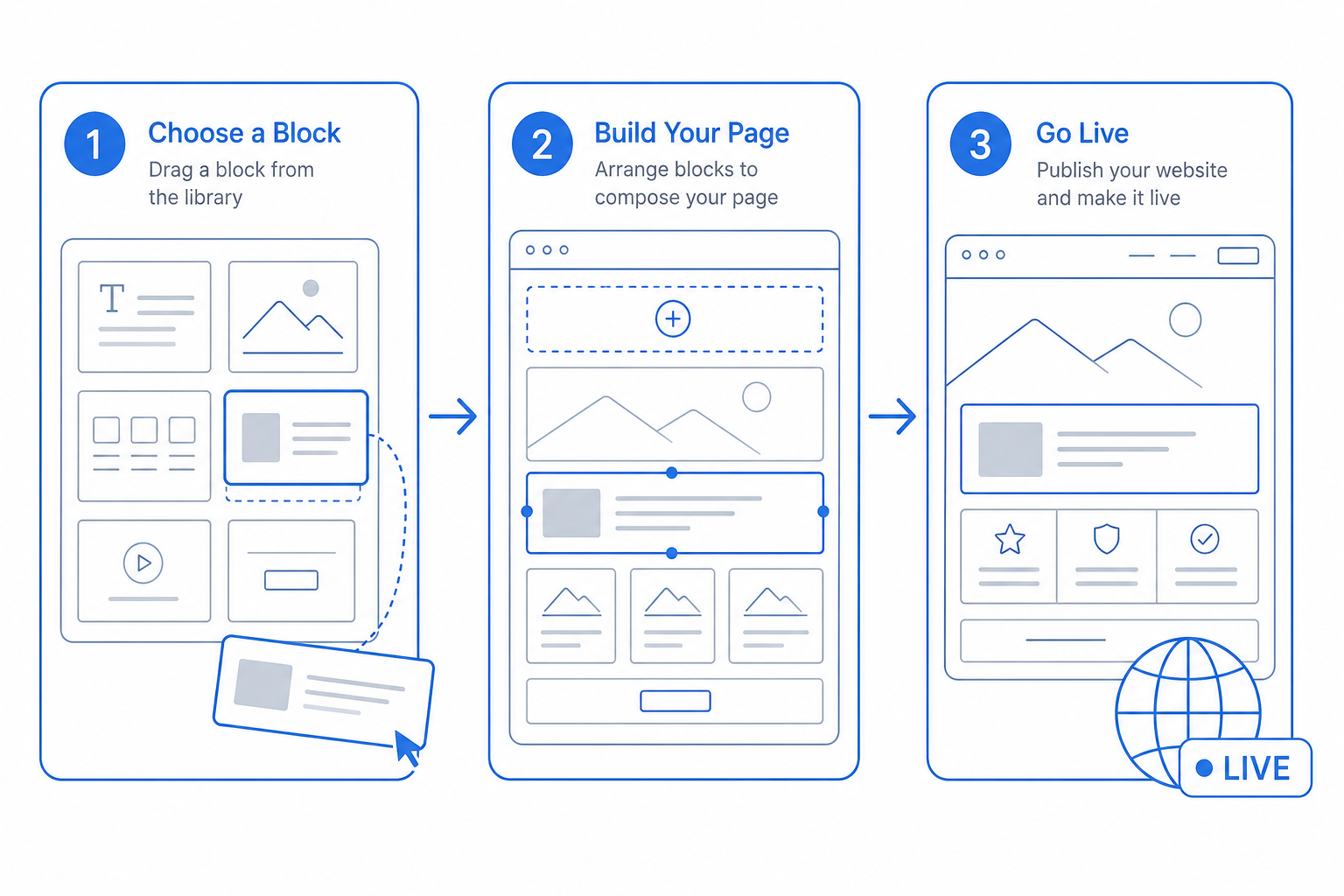
Multi-brand and multi-market SMBs need to publish to multiple domains without running multiple builders. CloudIP supports many domains and languages in one workspace, with proper hreflang tags and per-domain analytics.
Content can be shared or domain-specific as needed.
Inside Multi-language & Domains
Specifics that distinguish CloudIP Multi-language & Domains from the alternative.
Multiple domains
Custom domains pointing at one workspace with separate themes.
Languages and hreflang
Localized URLs with proper hreflang for each variant.
Per-domain analytics
Separate analytics per domain to keep markets distinct.
Per-domain themes
Each domain gets its own brand tokens and templates.
Multi-language & Domains on the CloudIP platform
Where this capability lives, who runs it, and what it shares with the rest of the system.
Multi-language & Domains runs as part of the CloudIP Website Builder module on the same multi-tenant infrastructure as every other capability you use. There is no separate console to log into and no separate billing line: multi-language website builder is provisioned the moment your tenant is created and stays in lockstep with the rest of the platform as it grows.
Operators interact with multi-language website builder through the Website Builder interface they already know — the same record screens, the same audit trail, the same role and permission model. Behind the scenes, multiple domains handles the heavy lifting, while per-domain themes keep the experience consistent across teams. Configuration changes are versioned, exportable, and reviewable, so the way you run multi-language website builder today is reproducible tomorrow.
Because Multi-language & Domains reuses the platform's user database, every action is attributable, every record has a stable ID, and every export honours the tenant's data residency choice. That means multi-language website builder reports tie out to the rest of the books, audit logs, and operational dashboards without an integration step in between.
Multi-language & Domains fits inside CloudIP Website Builder alongside the other website builder capabilities — they share the same data model, so improvements in one tend to compound across the others. If you are evaluating CloudIP specifically for multi-language website builder, the rest of Website Builder comes along at no extra cost.
Common questions about Multi-language & Domains
Content lives once with translations attached per language. Editing the source updates the translation status; missing translations show in a queue so editors know what to work on.
More from Website Builder
Visual editor with reusable blocks and brand tokens.
Pre-built themes and blocks tuned for SMB use cases.
Headless CMS for landing pages, blog posts, and case studies.
Lead capture forms wired into CRM and Marketing automations.
Page-level metadata, schema, sitemap, and OG image automation.
Try Website Builder free for 14 days
See Multi-language & Domains alongside the rest of the platform on real data.